Corporate
Corps Security: the story they had never told
Three to four years of documentation for the oldest security company in England, and a film about their social enterprise status that a customer watched in tears in a sales meeting.
- Client
- Corps Security
- Sector
- Security and guarding
- What we made
- Film library, photography, conference film
- Period
- Three to four years
The starting position
Corps Security is the oldest security company in England. Their own film puts the formation at 1859, with a social mission to help ex-military people into worthwhile employment, and that is still what the business is for. It is a certified social enterprise: no shareholders to pay, profits reinvested or given to charities supporting veterans, and around 3,500 people working across the UK.
Almost none of that was visible anywhere.
They came to us just after COVID, having done very little video or online marketing before. The pandemic had been hard on them. Security is not work that can be done from home, and a large part of the workforce had been unable to work at all. They were rebuilding, and they needed better material to explain what made the business different.
Filming the things they treated as housekeeping
We worked with them across three to four years. The brief was never a single film.
In guarding, almost everything a company can say about itself is equally true of its competitors. The 163-year history and the social enterprise status were the two things nobody else had, and they were sitting in the background where no customer was ever going to find them.
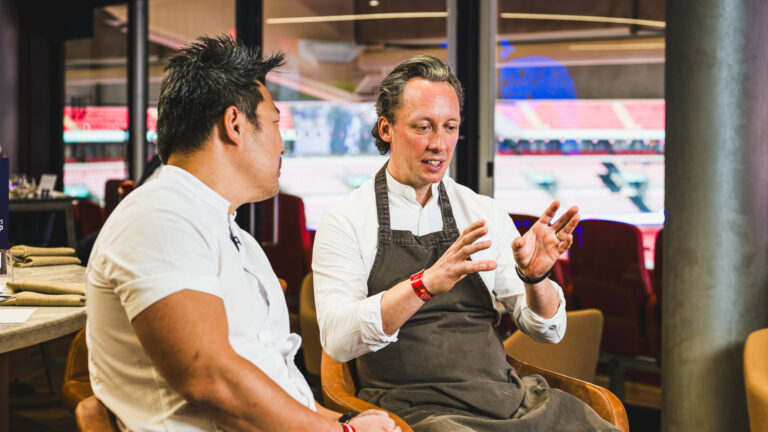
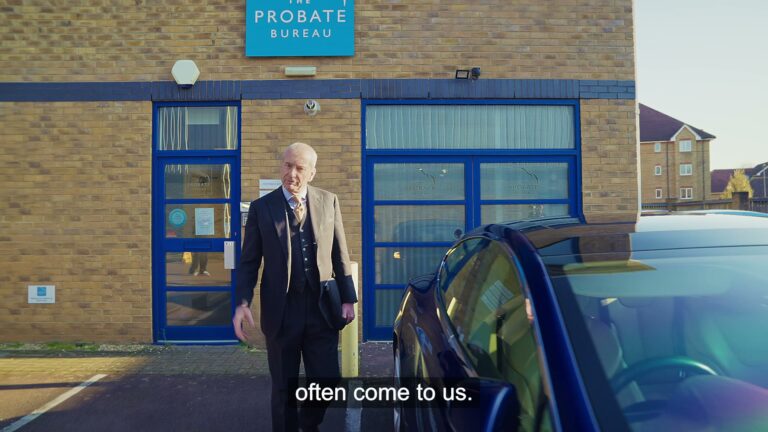
So most of the work was documentation. We filmed at their clients’ sites so the services could be shown rather than described. We took photographs. We interviewed people, and we recorded the parts of the business that never make it into a tender document: how veterans are brought back into work, the charities they fund, Better Together and the Corps Together initiative, the commitment to the real living wage.
Everything went into a library Corps could draw on later. Their website film came out of it, and so did the photography for the new site.
What happened when they used it
The first piece we cut from that material was a film about their social enterprise status. Corps took it into a high level sales meeting and played it. They told us afterwards that one of the customers in the room was in tears by the end.
That meeting went well. Over the period that followed, Corps won a run of significant new contracts including Warner Bros. Studios and a European bank, and their own account is that the business went from the lowest point in its history to the highest, with a large increase in revenue. A recovery on that scale has more than one cause and we would not claim it as ours. What the work gave Corps was a way to put 163 years of history, a social purpose and the people behind the business in front of a customer, in the room, at the moment it counted.
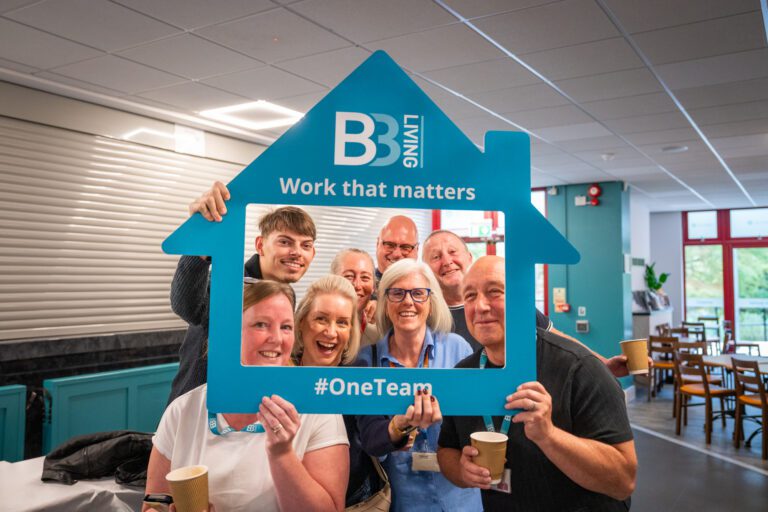
Later we planned, scripted and filmed a thank-you film for their first annual conference after COVID, shown to around 3,000 employees and cut largely from the same library. It was made for their own people and never for release, and it gave Corps a way to recognise a workforce that had been through a very hard few years.
Why the library mattered more than any single film
Over those years the same growing archive supported the website, the sales conversations, the photography and the conference film. Each new need was met from material that already existed.
The other lesson was about what turned out to be worth filming. The founding mission, the wage policy and the charity work were internal detail to Corps, close to housekeeping. To a customer deciding who to trust with their buildings and their people, it was the most persuasive thing about the company.
If there is something about how your business works that customers only discover once they are already working with you, that is usually the thing worth filming.
Want results like these?
A discovery call is a short conversation about your goals and what a content system could do for them.
Book a discovery call